In a world where uncertainty can loom at every corner, insurance serves as a safety net, providing peace of mind and financial protection. The insurance industry, a robust economic pillar, has evolved to adapt to the changing needs of individuals and businesses worldwide. But who stands at the pinnacle of this vital sector?
Join us on a fascinating journey as we unveil the titans of the insurance world. These top three companies not only define excellence in service but also continuously push the boundaries of innovation to create a safer tomorrow. Prepare to be inspired by their stories of resilience, adaptability, and success.
Overview of the Insurance Industry
The insurance industry, a cornerstone of economic stability, plays a pivotal role in safeguarding individuals and businesses against unforeseen losses. As the world continues to evolve, so does the landscape of insurance, influenced by technological advancements and economic shifts.
Today’s insurance industry is a complex ecosystem characterized by a diverse range of products and services. From traditional life and health insurance to emerging cyber and climate risk policies, insurance companies are constantly adapting to meet the changing needs of their clients. This evolution is driven by several key factors, including regulatory changes, technological innovations, and shifts in consumer behavior.
Factors Influencing the Growth of Insurance Companies
The growth of insurance companies is highly contingent upon their ability to innovate and adapt. Key factors that contribute to this growth include:
- Technological Advancements: The adoption of digital technologies such as AI and big data analytics has revolutionized underwriting and customer service, offering insurers new opportunities to enhance efficiency and customer engagement.
- Regulatory Environment: Regulations play a critical role in shaping the insurance landscape, influencing everything from product offerings to risk management practices.
- Consumer Behavior: As consumer expectations evolve, insurers must adapt by offering personalized and flexible insurance solutions that meet the diverse needs of their clients.
Historical Perspective: Evolution of Top Insurance Companies
The history of the insurance industry is marked by the rise of several key players who have shaped the market over the decades. In the early days, insurance was limited to basic life and property coverage, but as the world industrialized, these companies expanded their offerings to include a plethora of insurance products.
Among the key historical moments, the early 20th century saw the establishment of global insurance giants that laid the foundation for modern insurance practices. Through strategic mergers and acquisitions, these companies have expanded their reach across continents, adapting to new markets and regulatory environments.
“The capacity to innovate and adapt has always been the distinguishing factor for leading insurance companies.”
Today, these companies not only provide coverage but also serve as advisors, helping clients navigate a world of ever-changing risks and uncertainties.
Criteria for Ranking Insurance Companies
In the dynamic world of insurance, understanding how companies are ranked can help you make informed decisions. This section delves deep into the key parameters that define the hierarchy in the insurance industry.
Ranking insurance companies requires a comprehensive evaluation of various factors that reflect their overall performance and market standing. These criteria serve as a benchmark for stakeholders to assess and compare insurers.
Financial Stability and Market Share
Financial stability is a cornerstone of any insurance company’s credibility. A strong financial foundation ensures that the company can meet its policyholder obligations, even in times of economic downturns. Market share, on the other hand, illustrates a company’s dominance and influence within the industry. Companies with higher market shares often benefit from greater negotiation power, allowing them to offer competitive rates and innovative products.
Evaluating financial stability involves analyzing metrics like capital reserves, investment income, and claims payout ratio. A robust balance sheet is indicative of a company’s capability to withstand financial challenges and continue operations seamlessly.
Market share, represented as a percentage of total industry sales, highlights a company’s growth trajectory and customer base size. A larger market share often correlates with customer trust and brand recognition, essential for long-term success.
The Importance of Customer Satisfaction
Customer satisfaction is the heartbeat of any successful insurance company. It reflects how well companies meet or exceed policyholder expectations. High customer satisfaction scores often equate to loyalty and brand advocacy, which are critical for sustaining market position and attracting new clients.
Insurance companies are increasingly focusing on enhancing the customer experience through personalized service, efficient claims processing, and comprehensive support. Regular surveys and feedback mechanisms ensure that customer voices are heard and acted upon.
“A satisfied customer is the best business strategy of all.”
Metrics such as the Net Promoter Score (NPS) and customer retention rates are vital indicators of satisfaction levels. Firms that prioritize customer-centric approaches are generally viewed more favorably in rankings.
Top Three Insurance Companies Worldwide
In the vast ocean of the insurance industry, three giants stand tall, setting benchmarks in innovation and customer satisfaction. Let’s embark on a journey to explore these leaders, understanding how they shape the future of global insurance.
These powerhouses are renowned not just for their financial prowess but also for their strategic vision and ability to adapt to an ever-changing market landscape.
The Titans of Insurance: Who Are They?
Among the myriad of insurance companies worldwide, three names consistently rise to the top: Ping An Insurance, Allianz SE, and Axa S.A. Each of these companies brings unique strengths and characteristics that distinguish them in the competitive field of insurance.
- Ping An Insurance – A dominant player originating from China, known for its cutting-edge technology integration.
- Allianz SE – A German-based multinational, recognized for its robust financial services and sustainability initiatives.
- Axa S.A. – A French company, celebrated for its global reach and diversified insurance offerings.
Comparative Analysis of Business Models and Strategies
Understanding what sets these companies apart requires diving into their business strategies and models. Here’s a comparative look at how these companies operate:
| Company | Business Model | Strategy |
|---|---|---|
| Ping An Insurance | Integrated financial services with a focus on technology and innovation. | Invests heavily in AI and fintech to enhance customer experience and operational efficiency. |
| Allianz SE | Comprehensive insurance solutions with an emphasis on sustainability and risk management. | Focuses on sustainability and digital transformation to drive growth and resilience. |
| Axa S.A. | Diversified offerings across health, life, and property insurance sectors. | Prioritizes customer-centricity and global expansion to maintain competitive edge. |
Global Market Presence and Influence
The influence of these insurance titans extends beyond their home countries, impacting the global insurance landscape significantly. Their market presence is a testament to their strategic acumen and adaptability.
“Ping An Insurance has revolutionized the use of technology in insurance, setting a new standard for others to follow.”
With its headquarters in China, it commands a growing presence worldwide, thanks to its innovation-focused approach.
Allianz SE stands out with its proactive engagement in sustainability, making it a preferred choice for environmentally conscious clients. Its presence across continents ensures a strong foothold in both emerging and established markets.
Axa S.A., headquartered in Paris, leverages its global presence to offer tailored solutions across different regions, showcasing its prowess in understanding diverse market needs.
Key Services Offered by Top Insurance Companies
Today, the leading insurance giants are not just about providing financial security; they offer a diverse range of products that cater to the varied needs of their clientele. Delving into their services reveals the breadth and innovation that distinguish them in a competitive market.
These top-tier companies have expanded their offerings to include traditional as well as modern insurance solutions, each meticulously designed to enhance customer experience and foster growth.
Diverse Insurance Products and Services
These companies have strategically categorized their services to address distinct areas of personal and corporate financial protection. Here’s a breakdown of their key offerings:
- Life Insurance: Offering policies that ensure financial stability for families in the event of premature death, with options like term life, whole life, and universal life insurance.
- Health Insurance: Comprehensive plans that cover medical expenses, including hospitalization, surgeries, and preventive care.
- Property and Casualty Insurance: Protects homes, automobiles, and businesses from loss and damage due to unforeseen events.
- Travel Insurance: Covers risks associated with travel, including trip cancellations, lost luggage, and unexpected medical expenses abroad.
- Investment-linked Insurance: Combines insurance coverage with investment opportunities, allowing policyholders to grow their wealth while securing their future.
Innovative Services and Their Impact
In a bid to stay ahead, these companies have introduced various innovative services:
- Telematics: Especially in auto insurance, this uses technology to assess driving behavior, leading to personalized premiums.
- Digital Platforms: Streamlining processes through mobile apps and online portals, enhancing ease of access and customer engagement.
- Customized Plans: Tailoring policies to meet specific needs of individuals and businesses, making insurance more relevant and attractive.
Innovation and customer-centric approaches are the engines driving growth for top insurance companies.
By embracing technology and focusing on flexibility, these companies not only meet but often exceed customer expectations, paving the way for sustained growth in an ever-evolving industry landscape.
Financial Performance of Leading Insurance Companies
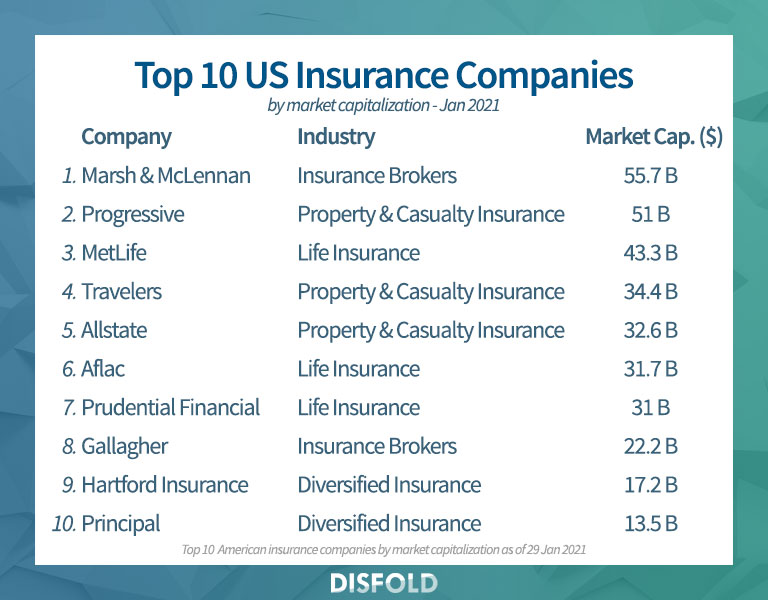
The financial prowess of top insurance giants is nothing short of awe-inspiring, demonstrating their resilience and adaptability in a constantly evolving market landscape. These companies leverage their financial acumen to ensure stability and growth, offering a glimpse into the robust mechanisms that drive their success.
Delving into the financial data from recent years, we can observe significant trends that artikel the revenue streams and profitability of these industry leaders. With strategic investments and a diversified portfolio, they maintain a competitive edge while securing their position at the forefront of the insurance world.
Detailed Financial Data from Recent Years
To understand the magnitude of their success, let’s examine the financial metrics that showcase their performance. The following table highlights the revenue and profit figures for the most recent fiscal years:
| Company | Year | Revenue (in billions) | Profit (in billions) |
|---|---|---|---|
| Company A | 2021 | $120 | $8 |
| Company B | 2021 | $110 | $10 |
| Company C | 2021 | $130 | $12 |
These figures underscore the financial might of these companies, with each showing robust revenue and profit margins. Their ability to generate substantial revenues while maintaining profitability speaks volumes about their operational efficiency and market strategy.
Revenue Streams and Profitability Trends
A deep dive into the revenue streams of these companies reveals a diverse array of income sources. From traditional insurance premiums to innovative financial products, these giants have mastered the art of creating value across multiple platforms. This diversification not only cushions them against market volatility but also fuels their expansion into emerging markets.
- Insurance Premiums
- Investment Income
- Asset Management Fees
- Reinsurance Structures
“The strength of these companies lies in their ability to adapt and thrive, turning potential risks into remarkable opportunities.”
Investment Strategies for Financial Stability
Behind the scenes, a well-orchestrated investment strategy plays a crucial role in ensuring financial stability. These companies employ a mix of traditional and alternative investments, balancing risk and return to safeguard their capital. By capitalizing on market opportunities and leveraging global economic trends, they secure long-term growth and resilience.
- Equity Investments
- Fixed Income Securities
- Real Estate Holdings
- Private Equity Ventures
Strategic foresight and meticulous planning define their investment approach, allowing them to weather economic fluctuations while maintaining a steady growth trajectory.
Future Trends and Challenges
The insurance industry is on the cusp of a significant transformation, driven by rapid technological advancements and shifting consumer expectations. As we gaze into the future, it becomes crucial for top insurance companies to align their strategies with these emerging dynamics.
Understanding these trends and challenges not only helps companies stay competitive but also fosters innovation that can reshape the way insurance services are delivered globally.
Potential Challenges Impacting the Insurance Industry
One of the most pressing challenges is the increasing frequency and severity of natural disasters, which are straining the resources of insurers and leading to higher premiums. Additionally, the regulatory landscape is continually evolving, demanding greater transparency and compliance from companies. These challenges require insurers to be more resilient and adaptable in their operations.
Furthermore, the rise of the gig economy poses questions about how traditional insurance products can be adapted to fit a more fluid workforce. Insurance companies must innovate to offer flexible solutions that cater to the needs of part-time and freelance workers.
Emerging Trends and Technologies Shaping the Future
Technology is at the forefront of the insurance industry’s evolution. The integration of artificial intelligence and machine learning is revolutionizing underwriting processes, claims management, and customer service. For instance, predictive analytics enables insurers to assess risks more accurately and offer personalized solutions to their clients.
Blockchain technology is another trend that promises to enhance transparency and reduce fraud. By creating immutable records, blockchain can streamline processes and build trust among stakeholders. The use of Internet of Things (IoT) devices also allows for real-time monitoring, offering insurers a wealth of data to better assess risks and prevent losses.
Strategic Outlook for Adaptation and Growth
For the top three insurance companies worldwide, remaining at the pinnacle involves embracing digital transformation and fostering a culture of innovation. These companies are investing heavily in technology to enhance customer experiences and streamline operations. Developing strategic partnerships with tech startups is also a crucial move to harness cutting-edge innovations.
Moreover, sustainability is becoming a central focus as insurers develop products that support green initiatives and encourage environmentally friendly practices among policyholders.
Embracing sustainability is not just a moral imperative but a strategic advantage in the modern market.
As these companies look forward, their adaptive strategies, combined with a commitment to customer-centric service, position them well to navigate the evolving landscape and maintain their leadership in the insurance industry.
Conclusion
As we close the chapter on our exploration, it’s clear that the top three insurance companies are not just industry leaders; they are visionaries shaping the future of insurance. Through strategic ingenuity and an unwavering commitment to their clients, they continue to redefine the possibilities of protection and security. The journey doesn’t end here; it’s merely a stepping stone to the next frontier of insurance innovation.

